
Non-Owner SR-22 Carriers — Mississippi
Free to compare
Non-Owner SR-22 Exists and You Need It
You received the Mississippi Department of Public Safety reinstatement letter requiring SR-22 filing. You sold your car during suspension, or you never owned one. The letter does not explain how to file SR-22 without a vehicle to insure. Non-owner SR-22 policies solve this — they are liability-only policies that trigger the SR-22 filing DPS requires without insuring a specific car.
Most drivers in this position waste days calling standard carriers who quote vehicle policies they cannot use. Six carriers writing in Mississippi confirmed they offer non-owner SR-22: Dairyland, GAINSCO, Geico, Progressive, The General, and USAA. State Farm writes SR-22 but does not confirm non-owner availability in public sources. Acceptance, Bristol West, Direct Auto, and National General write SR-22 for vehicle policies but non-owner confirmation is absent.
“The carrier with the lowest vehicle SR-22 quote may not write non-owner policies at all.”

Find a Mississippi Insurer That Will Cover You Now
Get My Mississippi Suspended License Insurance Quote$30–$50/mo
MS Non-Owner SR-22 Premium Range
Non-owner SR-22 policies in Mississippi typically cost $30 to $50 per month for minimum liability limits ($25,000 bodily injury per person, $50,000 per accident, $25,000 property damage). Your actual rate depends on violation type, age, and whether you have prior lapses.
Industry estimates; individual rates vary
What Non-Owner SR-22 Actually Covers
A non-owner SR-22 policy provides liability coverage when you drive a car you do not own. It does not cover damage to the vehicle you are driving — that is the owner's responsibility. The policy exists to satisfy Mississippi's SR-22 filing requirement and to provide third-party liability protection if you cause an accident while borrowing a car, using a rental, or driving for work.
The SR-22 filing itself is a certificate your insurer electronically submits to Mississippi DPS Driver Services Bureau proving you carry continuous liability coverage. Mississippi Code requires the SR-22 to remain active for 3 years following DUI or certain serious violations. If your non-owner policy cancels or lapses during this period, the carrier notifies DPS and your license is re-suspended automatically.
Non-owner SR-22 does not allow you to register a vehicle in your name. If you purchase a car during the 3-year SR-22 period, you must switch to a standard vehicle policy with SR-22 endorsement. The non-owner policy is a bridge solution for drivers who need proof of financial responsibility without owning a car.
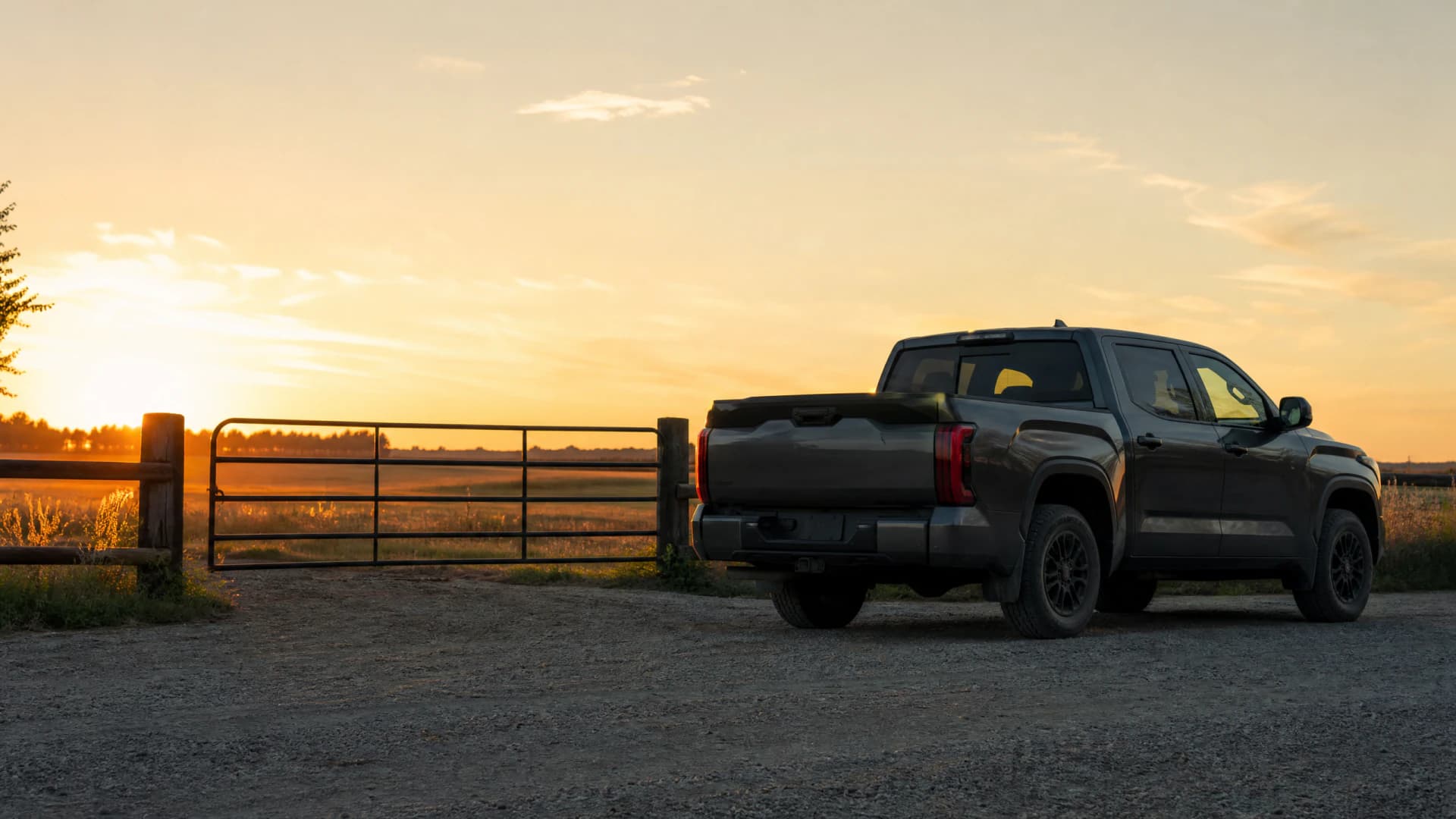
Mississippi DPS does not distinguish between vehicle SR-22 and non-owner SR-22 in reinstatement rules — both satisfy the filing requirement, but only non-owner policies skip the vehicle registration requirement.







Why Price Varies by Carrier for Non-Owner Policies
Carriers price non-owner SR-22 differently than vehicle SR-22 because the risk profile changes. Non-owner policies assume you drive infrequently and do not have regular access to a specific vehicle. Some carriers treat this as lower risk and price accordingly. Others view non-owner SR-22 applicants as higher risk because suspension history suggests violation patterns that may continue.
Non-standard carriers (Dairyland, GAINSCO, The General) build their entire business model around high-risk drivers. They expect DUI convictions, suspensions, and filing requirements. Their non-owner SR-22 base rates reflect this expectation and often come in lower than standard-tier carriers trying to price outside their comfort zone. Standard-tier carriers (Geico, Progressive) price non-owner SR-22 as an edge case — quotes can be competitive or expensive depending on how their underwriting model handles the combination of non-ownership and violation history.
Mississippi-specific factors also drive price variation. Uninsured motorist rates in Mississippi are above the national average, so liability-only policies — including non-owner SR-22 — reflect higher third-party collision risk. Your age, violation type, and county of residence all feed the quote engine. A 28-year-old with a first DUI in Hinds County will see different pricing than a 45-year-old with a points suspension in DeSoto County, even with the same carrier.
The only way to identify the lowest non-owner SR-22 premium for your specific profile is to quote all six confirmed carriers. Calling one carrier and accepting the first quote costs most drivers $15 to $40 per month more than the lowest available rate.
3 years
Mississippi SR-22 Filing Period
Mississippi requires SR-22 filing for 3 years following DUI or certain serious violations, measured from conviction date. The filing must remain continuous — any lapse triggers automatic re-suspension and restarts the 3-year clock from the date you refile.
Miss. Code Ann. § 63-11-30

Restricted License and Non-Owner SR-22 Interaction
Mississippi offers a court-ordered restricted license for certain suspended drivers, including first-offense DUI convicts after a mandatory 30-day hard suspension. The restricted license allows driving for work, school, medical appointments, and other court-approved purposes. SR-22 filing is required before DPS will issue the physical restricted license card, even though the court grants the underlying permission.
Non-owner SR-22 satisfies the filing requirement for restricted license issuance. You do not need to own a vehicle to petition for a restricted license or to maintain SR-22 during the restriction period. If you are granted a restricted license and do not own a car, a non-owner SR-22 policy provides the continuous filing DPS monitors while keeping you compliant with the court's driving restrictions. Violating the court-defined route or time restrictions — even with valid non-owner SR-22 coverage — results in restricted license revocation and extends your total suspension period.
Compare All Six Before You Commit
Request quotes from Dairyland, GAINSCO, Geico, Progressive, The General, and USAA. Provide your violation details, suspension dates, and Mississippi county of residence. Non-owner SR-22 applications require the same information as vehicle SR-22: driver's license number, violation type, conviction date, and DPS case number if available. Most carriers deliver quotes within 24 hours; some provide instant online estimates.
Once you select a carrier and pay the first month's premium, the insurer files the SR-22 certificate electronically with Mississippi DPS Driver Services Bureau. DPS processes SR-22 filings within 1 to 5 business days. You cannot reinstate your license or petition for a restricted license until DPS confirms receipt of the SR-22 filing. Call DPS Driver Services at the number on your suspension letter to verify filing status before scheduling your reinstatement appointment. The $50 base reinstatement fee is separate from your insurance premium and is due at the time of reinstatement.
Six Confirmed Non-Owner SR-22 Carriers
Dairyland, GAINSCO, and The General specialize in non-standard auto and actively market non-owner SR-22 policies. All three operate in Mississippi and quote online or through local agents. Dairyland operates in 38 states and lists Mississippi on its state requirements page. GAINSCO launched Mississippi coverage in 2022 and explicitly supports SR-22 and non-owner filings. The General lists Mississippi DPS in its SR-22 contact directory and confirms non-owner availability. These carriers typically quote higher rates for vehicle SR-22 than preferred-tier carriers but often deliver lower non-owner SR-22 premiums because their underwriting models assume non-ownership risk.
Geico, Progressive, and USAA write non-owner SR-22 across their footprints. Geico's SR-22 information page confirms non-owner availability. Progressive's FAQ section explicitly covers non-owner SR-22 scenarios. USAA confirms both SR-22 and non-owner policy options but restricts eligibility to military members, veterans, and their families. All three provide online quotes but may require phone verification for non-owner SR-22 during the application process. Geico and Progressive both operate standard-tier underwriting, so non-owner SR-22 rates may exceed non-standard specialists depending on violation severity.
Get Your Free Quote
Get My Mississippi Suspended License Insurance QuoteFrequently Asked Questions
Can I get SR-22 without owning a car in Mississippi?
Yes. Non-owner SR-22 policies provide liability coverage and trigger the required SR-22 filing without insuring a specific vehicle. Six carriers confirmed to write non-owner SR-22 in Mississippi: Dairyland, GAINSCO, Geico, Progressive, The General, and USAA.
How much does non-owner SR-22 cost in Mississippi?
Non-owner SR-22 policies in Mississippi typically cost $30 to $50 per month for state minimum liability limits. Your rate depends on violation type, age, county, and prior insurance history. Non-standard carriers often deliver lower non-owner SR-22 rates than standard-tier carriers.
Does non-owner SR-22 cover rental cars in Mississippi?
Yes. Non-owner SR-22 provides liability coverage when you drive a car you do not own, including rentals. It does not cover damage to the rental vehicle itself — rental companies offer collision damage waivers for that. Your non-owner policy covers third-party injury and property damage you cause.
How long does Mississippi require SR-22 filing after DUI?
Mississippi requires SR-22 filing for 3 years following DUI conviction, measured from the conviction date. If your policy cancels or lapses during this period, DPS re-suspends your license automatically and the 3-year clock restarts from the date you refile.
Can I switch from non-owner SR-22 to vehicle SR-22 in Mississippi?
Yes. If you purchase a car during the 3-year SR-22 period, contact your insurer to switch from a non-owner policy to a standard vehicle policy with SR-22 endorsement. The SR-22 filing remains continuous during the switch, so your reinstatement status is not affected.
Does Mississippi DPS accept non-owner SR-22 for restricted license?
Yes. Non-owner SR-22 satisfies the filing requirement for restricted license issuance. You do not need to own a vehicle to petition for a restricted license or to maintain the SR-22 filing DPS monitors during the restriction period.
Which Mississippi carriers offer the cheapest non-owner SR-22?
No single carrier is cheapest for all drivers. Dairyland, GAINSCO, and The General specialize in non-standard auto and often deliver lower non-owner SR-22 premiums than Geico or Progressive, but your specific violation type, age, and county determine which carrier quotes lowest. Request quotes from all six confirmed non-owner SR-22 carriers.